
If you are searching for rights of woman in divorce, chances are you are going through a stressful and confusing phase. You may be asking yourself:
- “Will I get financial support?”
- “Can I stay in the house?”
- “What about my child?”
- “What should I do next?”
This guide is written to give you clear, practical answers in simple language. No complicated legal jargon, just what you actually need to know and do.
Key Takeaways
- A wife in India has important legal rights after divorce, including maintenance, child custody, and protection under various laws.
- There is no automatic right to the husband’s property after divorce, but financial support and residence rights may still apply depending on the situation.
- Even a working woman can claim maintenance if her income is not enough to maintain the same standard of living as during marriage.
- Women have legal protection not only after divorce but also during marriage, ensuring dignity, safety, and financial security.
- If a husband refuses to provide financial support, a wife can take legal action through the court to enforce her rights.
- In certain cases, a woman may have the right to stay in the shared household, even after separation or divorce.
- Laws in India strongly protect women against domestic violence, ensuring their safety, dignity, and right to live peacefully.

Divorce Rate in India – Why This Matters to You
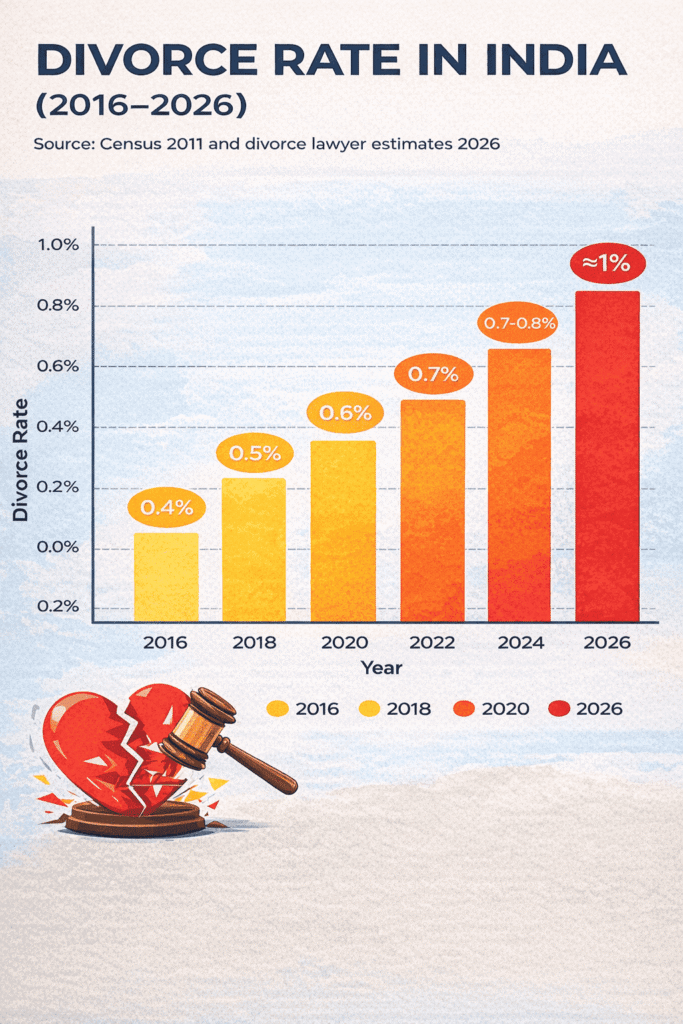
In India, the divorce rate is still low (around 1%), but it is steadily increasing, especially in cities like Mumbai, Delhi, and Bangalore.
What this means for you:
- More women are facing similar situations
- Courts are more experienced in handling such cases
- Legal protections for women are stronger than before
But here’s the important part:
Knowing your rights early can protect you from financial and emotional loss.
What Are the Legal Rights of a Woman in Divorce in India?
Let’s answer the most important question first:
What are the legal rights of a wife in India during divorce?
As a woman, you have the following key rights:
1. Right to Maintenance (Financial Support)
You can claim money from your husband to maintain your lifestyle.
2. Right to Residence
You have the right to live in the matrimonial home (in many situations).
3. Child Custody Rights
You can seek custody of your child.
4. Protection from Abuse
If there is domestic violence, you are protected under law.
5. Right to Stridhan (Your Own Assets)
All gifts, jewellery, and assets given to you remain yours.
Real-life Example:
If a husband leaves his wife without money, she can legally claim monthly maintenance, even if the divorce is still ongoing.
Maintenance / Alimony – How Much Can a Wife Claim?
One of the biggest concerns is money.
Under rights of wife in India, you can claim:
Types of Maintenance:
- Monthly maintenance
- One-time lump sum settlement
How is it decided?
Courts consider:
- Husband’s income
- Wife’s income
- Standard of living
- Number of dependents
Important Point:
Even if you are working, you can still get maintenance.
Example:
- If your salary is ₹20,000 and your husband earns ₹1,00,000
→ Court may still grant you financial support
What if husband refuses to pay?
You can take legal action. If needed, you can also explore your rights similar to situations where an employer is not paying salary, legal enforcement becomes necessary. (Related: Employer Not Paying Salary? 7 Legal Steps to Recover Your Salary)
Rights of Wife in Husband’s Property After Divorce
This is one of the most misunderstood areas.
Do you get ownership in husband’s property?
No, not automatically.
But you do have:
1. Right to Residence
You may have the right to stay in the shared household.
2. Right to Claim Maintenance from Property Income
If your husband earns from property, it can be considered.
3. Right to Stridhan
Your jewellery, gifts, and personal assets are 100% yours.
Example:
If the house is in your husband’s name:
- You may not own it
- But you may still have the right to live there

Child Custody Rights of Mother
If you have children, this becomes the most emotional issue.
How courts decide custody:
- Best interest of the child
- Child’s age
- Financial stability
- Emotional bonding
General Trend:
- Small children are usually given to the mother
- Father may get visitation rights
Example:
If your child is under 5 years old, courts often favor the mother unless there are strong reasons otherwise.
Rights of Women After Marriage vs After Divorce
Understanding this difference is important.
| Situation | Rights |
|---|---|
| During marriage | Residence, maintenance, protection |
| After divorce | Alimony, custody, legal settlement |
This connects to broader legal rights of women in marriage, which continue in modified form after divorce.
Rights of Wife Under Different Laws in India
Your rights may slightly differ depending on your religion.
Rights of Wife in Hindu Marriage Act
- Right to maintenance
- Right to divorce on valid grounds
- Right to child custody
Rights of Wife in Islam After Marriage
- Right to Mehr (dower)
- Maintenance during iddat period
- Protection under Muslim Women Act
Right of Wife on Husband in Islam
- Financial responsibility lies on husband
- Even after divorce, certain protections continue
Key Insight:
While laws differ, basic protection for women exists across all religions in India.
Step-by-Step – How to Claim Your Rights After Divorce
This is the most important practical section.
Step 1: Talk to a Lawyer
Do not delay. Early advice can change your case outcome.
Step 2: Collect Important Documents
- Marriage certificate
- Husband’s income proof
- Bank statements
- Child-related documents
Step 3: File for Maintenance
You can file under:
- CrPC 125
- Domestic Violence Act
Step 4: Apply for Custody (if needed)
Step 5: Attend Court Proceedings
Important Tip:
If police are involved and they refuse to help, you should know your rights. (Related: What to Do When Police Refuses to File FIR: Know Your Rights & Next Steps)
Common Mistakes Women Make During Divorce
Avoid these mistakes:
1. Leaving the house without legal advice
2. Not claiming maintenance
3. Signing documents under pressure
4. Not keeping financial records
Example:
Many women leave their home emotionally and later lose their right to residence.
What Should You Do Now?
If you are currently facing divorce, here’s what you should do immediately:
1. Do not panic
Take decisions calmly.
2. Do not sign anything without understanding
Even a small mistake can affect your rights.
3. Start documenting everything
Keep records of:
- Expenses
- Conversations
- Financial details
4. Secure your finances
Open your own bank account if needed.
5. Take legal advice early
This is the most important step.
FAQs – Questions People Ask Lawyers
Frequently Asked Questions
You have rights to maintenance, child custody, and protection depending on your case.
No automatic ownership, but you may have residence and financial rights.
Yes, if her income is lower than her husband’s.
Women have rights to maintenance, dignity, and protection during marriage and after divorce.
You can file a legal case and enforce payment through court.
In some cases, yes—especially under right to residence laws.
You are protected under law. You can also relate this to your broader rights similar to fundamental rights in India, which protect your dignity and safety.
Read more about Fundamental Rights in India
Final Advice from a Legal Expert
Divorce is not just a legal process, it affects your financial security, living situation, and future.
The biggest mistake is waiting too long or acting emotionally without guidance.
If you understand your rights early:
- You can secure financial support
- Protect your child
- Avoid unnecessary legal complications
Need Help Understanding Your Rights?
If you are unsure about your situation, it is important to get proper legal guidance before taking any step.
Every case is different. A small detail can change your entire outcome.
Take the next step:
- Speak to a legal expert
- Understand your options
- Protect your future
Pingback: Is Marriage Registration is Compulsory in India? 9 Risks If You Ignore It